
Plastic Packaging: Balancing Convenience, Protection, and Innovation
From Shelf to Shipping: The Role of Plastic Packaging in Modern Commerce
Plastic packaging has become a cornerstone of product protection and presentation in nearly every industry. From food and beverages to electronics and cosmetics, its role goes far beyond simply wrapping an item. It serves as a shield, a marketing tool, and a logistical asset all at once. Designed to be lightweight, durable, and adaptable, plastic packaging continues to evolve in response to changing consumer expectations, environmental concerns, and technological advancements. It’s not just about what’s inside—it’s about how it gets there and stays protected along the way.
One of the most valuable qualities of plastic packaging is its versatility. It can be molded into countless forms, from rigid containers to flexible films, making it suitable for an incredibly wide range of products. This flexibility allows businesses to customize packaging solutions that align with branding, safety requirements, and consumer convenience. Whether it’s vacuum-sealed food for freshness, tamper-evident pharmaceutical containers, or protective bubble wrap for delicate shipments, plastic plays a central role in maintaining product integrity from manufacturer to end user.
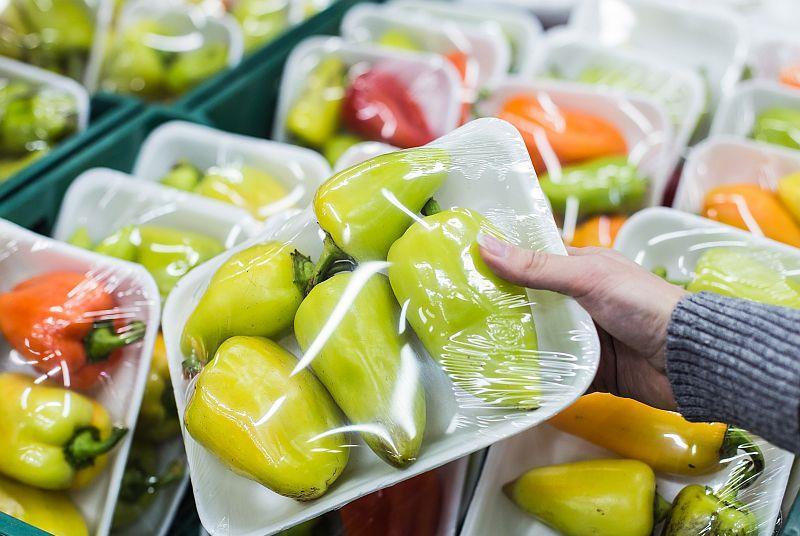
There’s also the advantage of transparency—literally and figuratively. Clear plastic packaging allows customers to see the product before purchase, which can influence buying decisions and build trust in quality. For perishable items like produce or ready-to-eat meals, visibility ensures that freshness and condition can be quickly assessed. At the same time, plastic’s durability reduces the risk of breakage, leaks, or contamination, making it a safer option for transport and storage.
Of course, the environmental impact of plastic packaging is a topic that continues to spark discussion. In response, the industry has been shifting toward more sustainable practices, including the use of recycled materials, biodegradable plastics, and designs that reduce waste. Brands are also being pushed to reconsider packaging choices to meet growing consumer demand for eco-friendly alternatives. While challenges remain, innovation in this area is helping to reshape perceptions of plastic, turning it into part of the solution rather than just a problem.
Plastic packaging is deeply embedded in the global supply chain, helping products move efficiently, arrive safely, and appear attractively on store shelves. As industries strive to balance performance with sustainability, plastic remains a material that adapts—meeting the needs of both modern commerce and increasingly conscious consumers.
…